

Fall Home Safety for Older Adults: Small Changes That Matter |
Practical seasonal steps for safer, more independent living in Chattanooga and Southeast Tennessee |
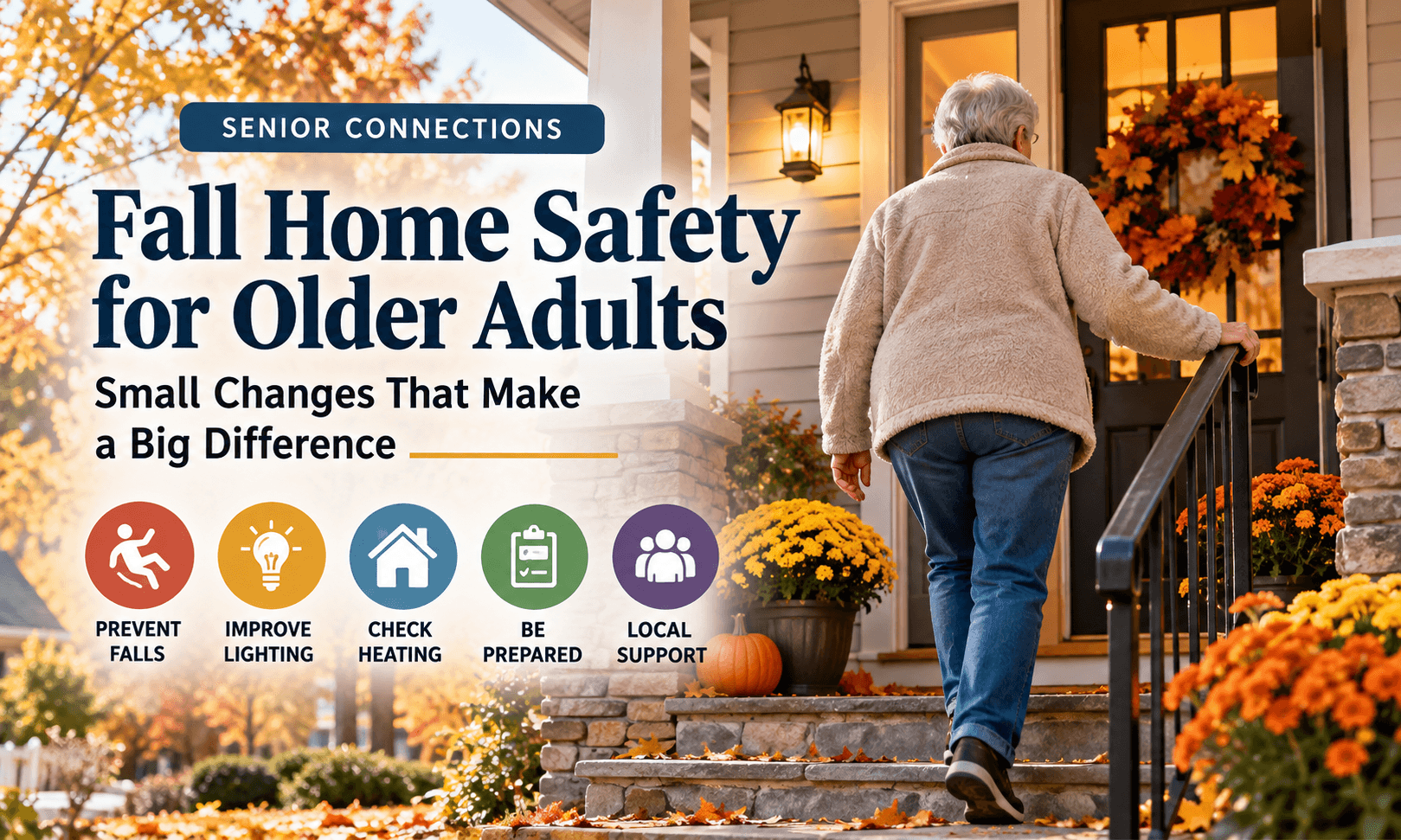
Fall Home Safety for Older Adults
Autumn brings cooler mornings and changing leaves to Chattanooga and Southeast Tennessee, but it also offers a useful reminder to check whether our homes are ready for the season.
For older adults, a few practical changes can reduce everyday hazards and make it easier to remain comfortable and independent at home.
The best place to begin is not with an expensive renovation.
It is with a slow, thoughtful walk through the spaces used every day.
Start With Clear Paths and Steady Footing
A familiar hallway can become a hazard when shoes, electrical cords, small tables, or loose rugs interrupt the walking path.
Walk through the bedroom, bathroom, kitchen, and living room, looking for anything that could catch a foot or block a mobility aid.
Remove throw rugs where possible, secure carpeting, and move cords alongside walls.
Check that stair railings are firmly attached and that steps are even and easy to see.
Keep frequently used items within comfortable reach so there is no reason to climb onto a chair or stool.
If balance has become more difficult, a healthcare professional can discuss whether a home-safety assessment or mobility support would be useful.
Let There Be Light
Autumn's shorter daylight hours can make an otherwise familiar home feel different, especially around stairs and hallways.
Make sure light switches are convenient at both ends of stairs and that entrances are illuminated when returning home after dark.
Motion-activated nightlights can help light a path from the bedroom to the bathroom without requiring someone to search for a switch.
Replace burned-out bulbs promptly and consider whether glare or shadows make a room harder to navigate.
A charged phone and flashlight near the bed are also useful when a power outage interrupts the evening routine.
Pay Special Attention to Bathrooms
Wet surfaces and awkward movements make bathrooms important places to review.
A properly mounted grab bar beside the toilet or near the shower can provide dependable support.
Use nonslip surfaces where water collects and consider a shower chair when standing for long periods is tiring or uncomfortable.
Towel racks are not substitutes for secure grab bars.
Keep toiletries within reach and make sure there is enough light for nighttime visits.
For anyone who has recently fallen or experiences dizziness, these improvements should complement a conversation with a clinician rather than replace one.
Prepare Heating Equipment Before Cold Weather
Cooler nights often mean turning on a heating system that has been resting through the warmer months.
Have heating equipment inspected and maintained according to the manufacturer's guidance, and arrange professional service if it is not working properly.
Check smoke alarms and carbon monoxide alarms and replace batteries or devices as recommended.
Never use a gas oven, charcoal grill, or outdoor generator to heat indoor living space.
If a portable electric heater is necessary, use a listed model on a stable surface, keep it away from bedding and curtains, and turn it off before sleeping or leaving the room.
An adult child, trusted neighbor, or caregiver may be able to help inspect alarms and hard-to-reach equipment safely.
Don't Forget the Porch and Driveway
Fallen leaves can conceal uneven steps, while wet walkways become slippery underfoot.
Keep porch steps, ramps, and paths free of leaves, branches, and clutter.
Check exterior lighting and make sure handrails feel stable before the weather changes.
If rain, frost, or ice is expected, consider asking for assistance with clearing or treating steps rather than risking a fall while doing it alone.
A secure entryway makes everything from collecting the mail to welcoming visitors more comfortable.
Keep a Simple Emergency Plan
Autumn and winter storms can occasionally interrupt power, heat, or transportation.
Set aside drinking water, shelf-stable food, a flashlight, necessary supplies, and a way to charge a phone.
Maintain an up-to-date medication list, emergency contacts, and instructions for any medical equipment that depends on electricity.
Discuss backup power or another emergency plan with the equipment provider if an essential medical device requires electricity.
Arrange a check-in plan with someone nearby, particularly for days when leaving home may be difficult.
Check weather forecasts before traveling and keep important telephone numbers where they can be found easily.
Help Is Available in Southeast Tennessee
Older adults and family caregivers do not always have to navigate home-safety and independent-living questions alone.
The Southeast Tennessee Area Agency on Aging and Disability provides information and referrals for services that may include in-home assistance, caregiver support, nutrition programs, transportation, and benefits counseling.
The agency serves people across the Southeast Tennessee region, including Hamilton County, and can help callers explore available options and eligibility.
Residents can contact the agency at 866-836-6678 to ask about current resources.
Program availability and eligibility vary, so it is worth asking what assistance is appropriate for a particular household.
A Safer Season Starts With One Small Step
Home safety does not need to become a daunting weekend project.
Choose one room today, address the most obvious hazard, and continue with another area tomorrow.
A brighter hallway, a secure handrail, or a cleared front step may seem like a modest improvement.
Together, those changes can support the confidence and independence that make home such an important place. |
0 Comments
Join the conversation
Be the first to comment
Share your thoughts above.